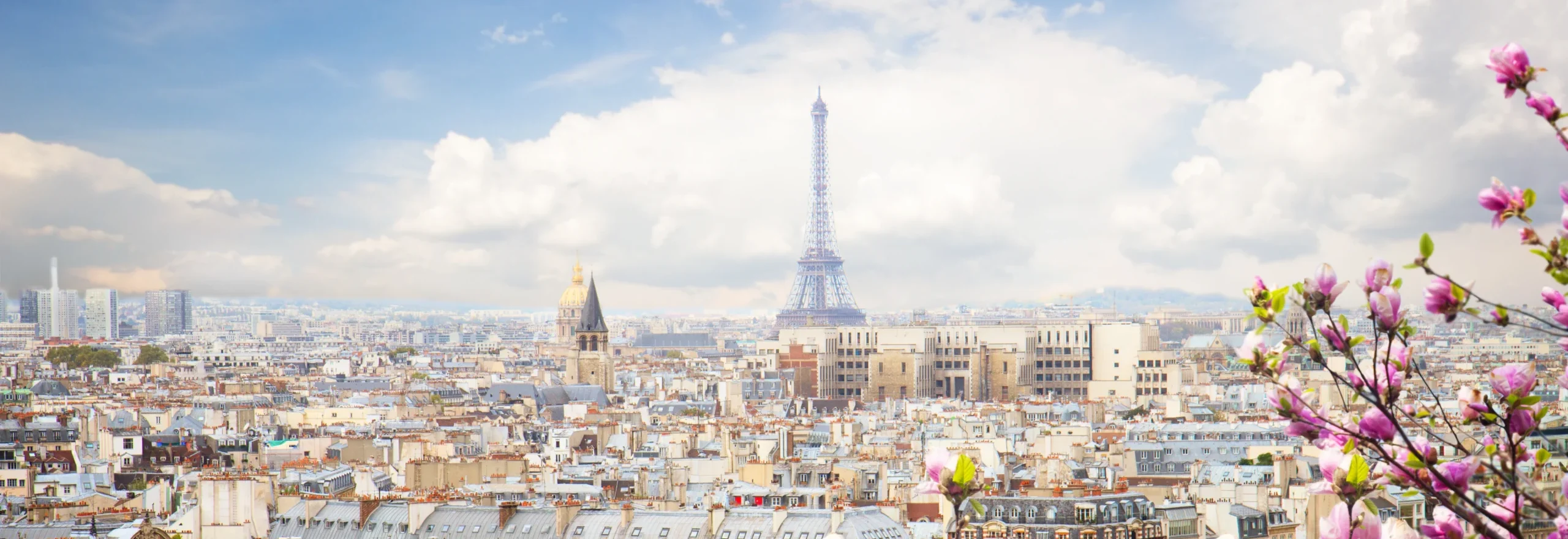
Paris city break: Your ultimate guide to the perfect getaway
Planning a Paris city break? Whether it’s your first visit or your tenth, Paris delivers. The French capital packs world-class museums, iconic landmarks, charming neighborhoods, and exceptional food into a surprisingly compact city that’s perfect for a long weekend.
Unlike destinations that require weeks to explore, Paris works brilliantly for a short trip (though there’s certainly enough to keep you busy for longer if you have the time). Most major sights sit within walking distance or a quick metro ride of each other. You can see the Eiffel Tower at sunrise, wander through the Louvre by midday, and end your evening watching the sunset from Montmartre, all in a single day.
This guide maps out a practical 3-day itinerary for first-timers, covering the essential landmarks whilst leaving room to discover Paris’s quieter corners. You’ll find honest advice on getting around, where to stay, what to eat, and how to make the most of your time without rushing through the experience.
If you’re still deciding where to stay, check out our guide to holiday apartments in Paris for neighbourhood recommendations. Ready to book? Browse available properties and book your stay with GuestReady.
Planning your trip to Paris
How many days do you need?
Three to four days is the sweet spot for a first visit to Paris. It gives you enough time to see the major landmarks, explore a few neighborhoods properly, and still have moments to sit in a café without feeling rushed.
In three days, you can comfortably cover the Eiffel Tower, the Louvre, Notre-Dame, Montmartre, and a handful of other highlights whilst getting a genuine feel for the city. Add a fourth day and you’ll have space for deeper dives—perhaps a morning at Musée d’Orsay, an afternoon wandering Le Marais, or a leisurely lunch that stretches into the early evening.
Can you do Paris in a weekend? Absolutely, but you’ll be moving quickly and making tough choices about what to skip. A week or more? You’ll have time to explore neighborhoods like a local, take day trips to Versailles or Giverny, and discover the Paris that sits beyond the guidebook staples.
The itinerary below is designed for three full days, but it’s flexible. Take what works, skip what doesn’t, and adjust the pace to match how you prefer to travel.
Best times to visit Paris
Paris works year-round, but each season brings its own character and trade-offs.
- Spring is classic Paris—mild weather, blooming gardens, and café terraces coming back to life. It’s also peak tourist season, so expect crowds at major attractions and higher accommodation prices. The city feels vibrant, but you’ll be sharing that energy with plenty of other visitors.
- Summer means long daylight hours and a buzzing atmosphere, especially during July’s Bastille Day celebrations. Temperatures sit comfortably warm rather than scorching, though August sees many Parisians leave for their own holidays, giving the city a slightly quieter feel. Tourist numbers stay high, and popular sights get busy.
- Autumn might be the sweet spot. Crowds thin out after summer, the weather stays pleasant through September and October, and the city takes on a golden glow as leaves change colour. You’ll find shorter queues and more reasonable prices than spring or summer.
- Winter is quieter and cheaper, with far fewer tourists. Yes, it’s cold and grey, but Christmas markets, festive lights, and cozy bistros more than compensate. Museums and galleries become even more appealing when it’s drizzling outside. Just pack layers and waterproofs.
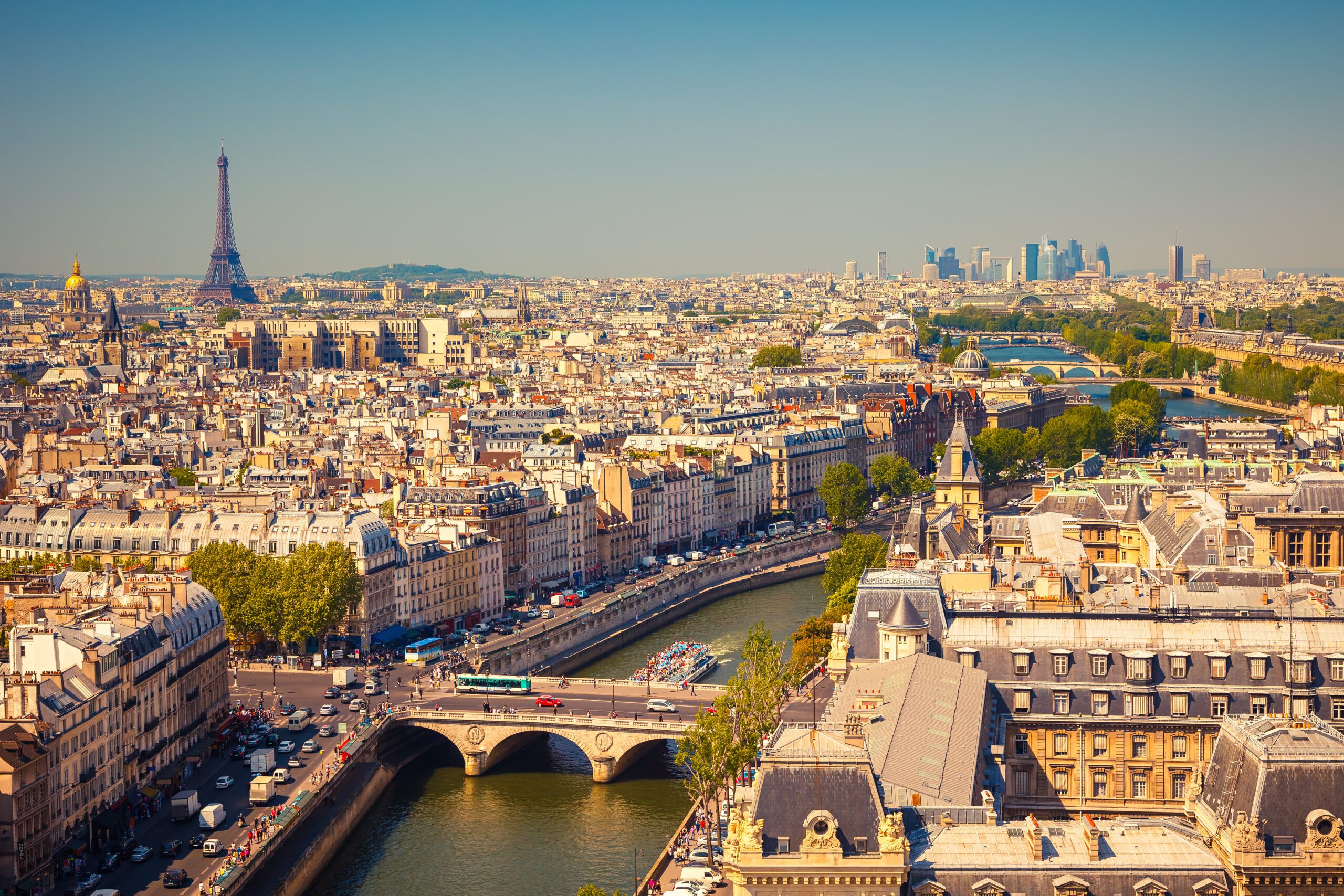
Whenever you visit, book accommodation and tickets for major attractions in advance. Paris stays popular throughout the year, and advance planning saves time queuing and guarantees you’ll actually get into the places you want to see.
Getting around Paris
Paris is one of Europe’s most walkable capitals. The city center is surprisingly compact—you can stroll from the Arc de Triomphe to Notre-Dame in about 40 minutes, passing countless cafés, shops, and photo-worthy streets along the way. Most neighborhoods worth exploring sit close together, making walking the best way to stumble upon Paris’s hidden corners.
For longer distances, the metro is your friend. With 16 lines and over 300 stations, it’s fast, frequent, and covers nearly every part of the city you’ll want to visit. Trains run from roughly 5:30am until after midnight on weekdays, with extended hours on weekends. The system is straightforward—if you can read a map, you can navigate Paris.
Consider picking up a multi-day travel pass if you plan to use public transport regularly. Single tickets work fine for occasional trips, but passes offer better value for visitors hopping between neighborhoods multiple times a day. You’ll find ticket machines at every metro station, and most accept card payments.
Where to stay in Paris
Paris divides into 20 arrondissements (neighborhoods), and choosing the right area makes a real difference to your experience. For a first visit, staying central saves time and puts you within walking distance of multiple attractions.
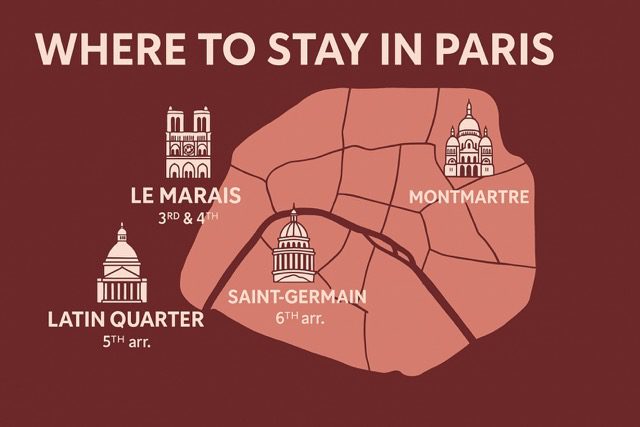
- Le Marais (3rd and 4th) sits right in the heart of Paris with excellent metro connections, medieval streets, fantastic dining, and close proximity to major sights. It’s lively without being overwhelming.
- The Latin Quarter (5th) gives you Notre-Dame and the Panthéon on your doorstep, with a bohemian, intellectual atmosphere thanks to the Sorbonne. Plenty of bookshops, cafés, and traditional bistros.
- Saint-Germain-des-Prés (6th) offers classic Parisian elegance with art galleries, upmarket boutiques, and historic cafés. More polished and quieter than Le Marais, still perfectly positioned.
- Montmartre (18th) brings village charm and spectacular hilltop views, though you’re slightly further from central Paris. Wonderfully romantic, with cobblestone streets and artistic history.
- Near the Louvre (1st and 2nd) puts you at the absolute center. Maximum convenience for sightseeing, though prices reflect that prime location.
Thinking longer term? Our guide to buying property in Paris covers neighborhoods, investment considerations, and what to expect from the market.
Why choose GuestReady for your Paris stay
- GuestReady offers fully serviced apartments across Paris’s best neighborhoods, giving you the space and comfort of a home with hotel-standard service. You’ll have a kitchen to store market finds, room to spread out after sightseeing, and the freedom to set your own schedule.
- Every property is professionally managed with 24/7 support, and the team’s local expertise means recommendations for the best neighborhood gems. Whether you’re traveling as a couple, family, or group of friends, a good accommodation changes how you experience the city.
Your 3-day Paris itinerary
Day 1: Iconic landmarks and Parisian life
Morning: Eiffel tower and Trocadéro
Start your day early with a visit to the Eiffel Tower, one of the most recognisable structures in the world. Arriving early helps you beat the worst of the queues and gives you the structure in softer morning light.
Whether you climb to the top or simply admire it from ground level depends on your budget and queue tolerance. The views from the summit are spectacular, but honestly, some of the best photos of the Eiffel Tower come from not being on it.
Walk across to the Trocadéro Gardens for the classic postcard view. The elevated terrace gives you the full perspective of the tower with the Champ de Mars stretching behind it. It’s touristy, yes, but there’s a reason everyone takes this photo.

Midday: Seine river cruise
Next, head down to the river for a cruise along the Seine. Most boats depart from near the Eiffel Tower and follow a route past Notre-Dame, the Louvre, and Musée d’Orsay.
It’s a relaxed way to see multiple landmarks in one go, and the perspective from the water shows you Paris from an angle you won’t get on foot. Some cruises include lunch, which can be pleasant if you don’t mind eating whilst moving.
Afternoon: Champs-élysées and Arc de triomphe
After your cruise, make your way to the Champs-Élysées. This wide boulevard runs nearly two kilometers from Place de la Concorde up to the Arc de Triomphe, lined with shops, cafés, and cinemas. It’s grand and undeniably Parisian, though the shops lean heavily toward international chains rather than local boutiques.
At the top sits the Arc de Triomphe, Napoleon’s monument to French military victories. If you didn’t climb the Eiffel Tower, consider going up the Arc instead—it’s fewer stairs, less crowded, and gives you a view that includes the Eiffel Tower rather than being on it. The viewing platform also shows you the twelve avenues radiating out from the monument in perfect symmetry.
Evening: Montmartre and Sacré-Cœur
End your first day in Montmartre, the hilltop neighborhood that once drew artists like Picasso and Van Gogh. The cobblestone streets and village atmosphere feel removed from the grand boulevards below, though you’ll share them with plenty of other visitors.
The white-domed Sacré-Cœur Basilica crowns the hill, offering one of the best panoramic views in Paris. The steps leading up to the basilica fill with people at sunset—locals and tourists alike—sitting with bottles of wine and watching the city lights come on below. It’s a lovely way to close your first day, though keep an eye on your belongings as the area attracts pickpockets.
After a full day of iconic sights, head back to your GuestReady accommodation to relax, recharge, and plan the next day’s adventures in comfort.
Day 2: Art, history, and hidden gems
Morning: The Louvre
The Louvre is the world’s largest art museum, home to roughly 35,000 works spanning thousands of years. You cannot see everything and even attempting to would take weeks. Accept this and you’ll have a much better visit.
Arrive when it opens to avoid crowds, and decide which sections matter most before you go. The Mona Lisa sits behind bulletproof glass surrounded by phone-wielding tourists—it’s smaller than you expect. The Egyptian antiquities and Renaissance sculptures often prove more rewarding and far less crowded.
Give yourself two to three hours. The building itself—a former royal palace—deserves attention too, particularly the controversial glass pyramid entrance.

Midday: Jardin des Tuileries and Place de la Concorde
Step outside into the Jardin des Tuileries, the formal gardens stretching from the Louvre toward Place de la Concorde. Grab a chair by one of the ponds and let your feet recover.
At the far end sits Place de la Concorde, dominated by a 3,000-year-old Egyptian obelisk. The elegant square gives no hint that Marie Antoinette and Louis XVI were guillotined here during the Revolution.
Afternoon: Musée d’Orsay
Cross the Seine to the Musée d’Orsay, housed in a stunning former railway station. The museum specializes in Impressionist art—Monet, Renoir, Degas, Van Gogh—and the Beaux-Arts building makes the experience special before you even look at the paintings.
You can see the highlights comfortably in an hour or two. Don’t miss the view through the giant station clock on the upper floor.
Evening: Latin Quarter and Seine walk
Spend your evening in the Latin Quarter, the Left Bank neighborhood named for the Latin once spoken at the Sorbonne. Narrow streets lined with bookshops, cafés, and traditional bistros keep the area’s intellectual, bohemian character.
Wander without a fixed plan. You might find Shakespeare and Company, the legendary English-language bookshop, or stumble across the Panthéon where France’s greatest thinkers are entombed.
Day 3: Culture, cuisine, and shopping
Morning: Notre-dame and Île de la Cité
Start your final day on the Île de la Cité, the island in the Seine that marks the historic heart of Paris. Notre-Dame Cathedral, damaged by fire in 2019, reopened in late 2024 after extensive restoration. The Gothic architecture remains breathtaking, and visiting early helps you avoid the queues that build through the day.
Nearby, Sainte-Chapelle hides behind unassuming walls but reveals one of Paris’s greatest treasures inside, floor-to-ceiling stained glass windows that flood the chapel with coloured light. The 13th-century windows tell biblical stories in vivid detail.
Midday: Le Marais
Head to Le Marais, one of Paris’s most charming neighborhoods. Medieval streets wind past trendy boutiques, art galleries, and the historic Jewish quarter along Rue des Rosiers. The area balances old Paris with contemporary energy—17th-century mansions house modern galleries, and traditional bakeries sit next to fashionable cafés.
Stop for lunch at one of the neighborhood’s many options, from classic French bistros to Middle Eastern eateries that reflect the area’s diverse character.
Afternoon: Shopping and Place de Vosges
Spend the afternoon exploring Le Marais’s shops and galleries. The neighborhood offers everything from high-end fashion to quirky vintage finds. When you need a break, head to Place des Vosges, Paris’s oldest planned square.
The symmetrical red-brick arcades surrounding the central garden create one of the city’s most beautiful spaces—perfect for sitting and watching Paris go by.
Evening: Your final parisian experience
For your last evening, choose what suits your mood. Stay in Le Marais for dinner at a traditional bistro, head back to a neighborhood you loved earlier in the trip, or simply find a café terrace and watch the city move around you with a glass of wine.
Paris doesn’t require constant sightseeing to be worthwhile. Sometimes the best memories come from sitting still and soaking it in.

Food you can’t miss in Paris
Use this as your Paris food checklist, ticking off each experience as you go.
Must-try classics:
- Fresh croissant from a local boulangerie (should shatter when you bite)
- Pain au chocolat for breakfast or afternoon treat
- Crusty baguette with French cheese (perfect for picnics)
- Steak frites at a traditional bistro
- French onion soup with melted Gruyère
- Sweet crêpe (Nutella, lemon and sugar, or jam)
- Savoury galette for lunch (try ham, cheese, and egg)
- Macarons from a proper pâtisserie
- Éclair or tarte Tatin
For the adventurous:
- Escargots (snails in garlic butter)
- Steak tartare (raw minced beef with capers and egg yolk)
- Coq au vin or boeuf bourguignon
You’ll find the best food at neighborhood boulangeries, traditional bistros without English menus, local fromageries, and markets like Marché des Enfants Rouges or Rue Mouffetard. Skip the tourist traps and eat where locals queue. That’s where the quality lives.
Travel essentials for Paris
What to pack:
- Comfortable walking shoes (cobblestones everywhere)
- Light waterproof jacket for sudden rain
- Layers for changing weather and air-conditioned museums
- Day bag for water, snacks, and market finds
- Something smarter than trainers for churches and upscale restaurants
Before you go:
- Book tickets in advance for the Louvre, Eiffel Tower, and major museums
- Check museum closing days (usually Mondays or Tuesdays)
- Download offline maps or metro apps
- Notify your bank you’re traveling
Money basics: France uses euros. Cards work almost everywhere, though small bakeries prefer cash. Contactless payment widely accepted. Service is included in bills, so tipping isn’t expected but rounding up is appreciated.
Cultural essentials:
- Always say “bonjour” when entering shops
- Learn “merci” (thank you) and “s’il vous plaît” (please)
- Lunch: 1-2pm | Dinner: from 8pm onwards
Stay safe: keep valuables secure in tourist areas and metros. Watch for pickpockets around the Eiffel Tower, Sacré-Cœur, and busy stations. Ignore anyone offering “found” rings or petition signatures.
Frequently asked questions
What’s the best time of year to visit Paris?
- Spring (March-May) and autumn (September-November) offer pleasant weather and manageable crowds, though prices reflect their popularity. Summer brings long days but peak tourists. Winter is quieter and cheaper with festive atmosphere, though expect cold and grey weather. Paris works year-round, so choose based on whether you prioritize weather, smaller crowds, or better prices. Book accommodation and attractions in advance regardless of season.
What are the must-see attractions in Paris?
- The Eiffel Tower, Louvre, Notre-Dame, Sacré-Cœur, Arc de Triomphe, and Musée d’Orsay top most lists for good reason. Beyond major monuments, neighborhoods like Le Marais and the Latin Quarter reward wandering. A Seine cruise offers a different perspective on the landmarks. With limited time, focus on these highlights whilst leaving space to walk, sit in cafés, and absorb the atmosphere—Paris works as much through feeling as ticking off sights.
What’s the best way to get from the airport to central Paris?
- From Charles de Gaulle (CDG), take the RER B train to central Paris. It’s fast, cheap, and connects to major metro lines at Gare du Nord and Châtelet-Les Halles. From Orly, the Orlyval connects to RER B at Antony station. Both airports also run express buses to central locations. Taxis and ride-shares cost considerably more but make sense for late arrivals, heavy luggage, or groups.
What can I expect when booking a GuestReady property?
- Every stay includes hotel-quality linen and toiletries, 24/7 guest support, contactless check-in, and professionally cleaned homes, ensuring a smooth and comfortable experience.
Explore more city break guides
Looking for more city break inspiration? Check out our other guides:
- Porto city break – Portugal’s charming riverside city with port wine, azulejo tiles, and stunning coastal views
- Dubai city break – Modern luxury, desert adventures, and world-class shopping in the UAE
